



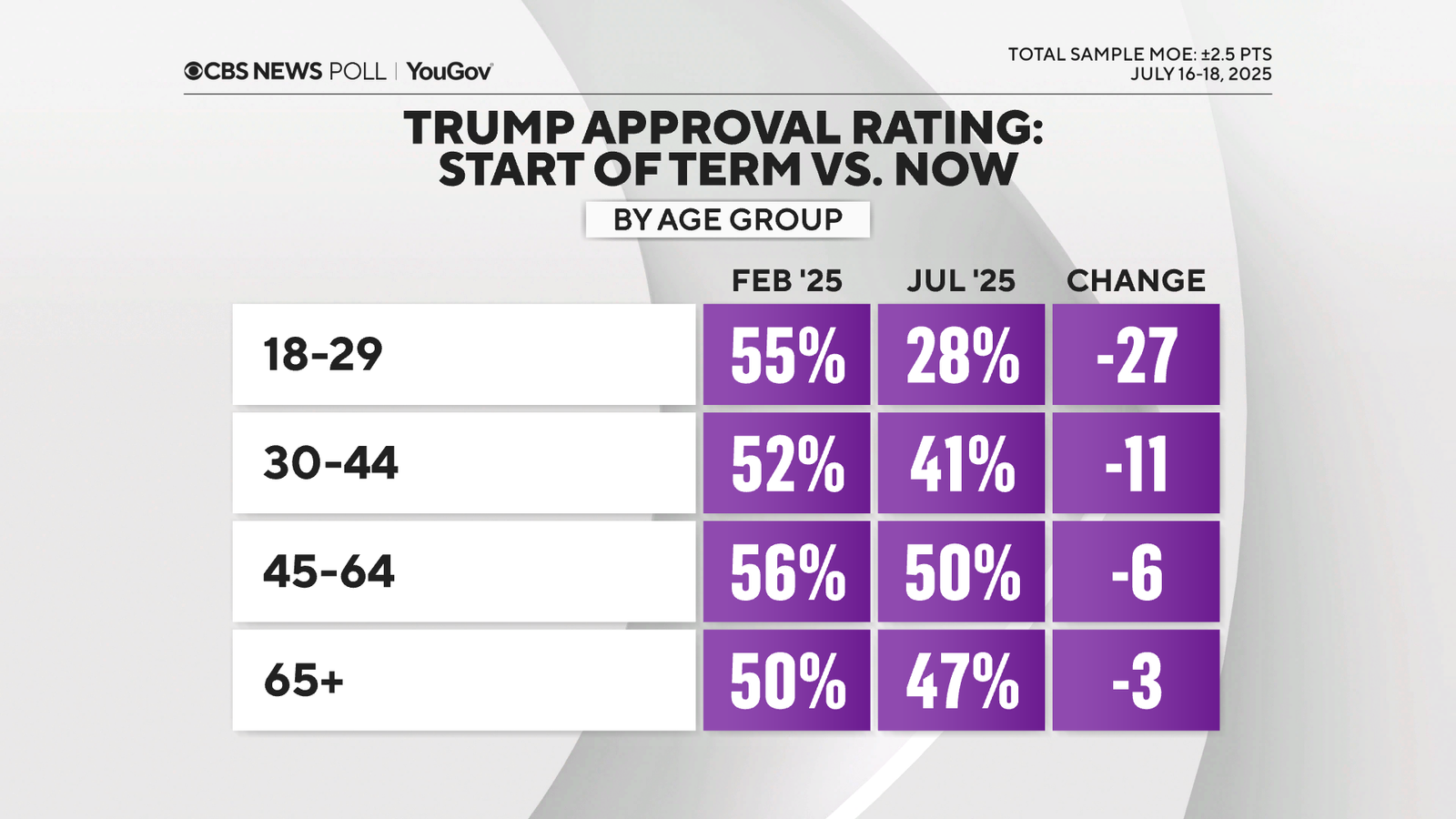
The topic of trump approval rating gen z has become increasingly important in American political discussions. As Generation Z grows into one of the most influential voting blocs in the United States, their opinions about former President Donald Trump carry significant weight in shaping electoral outcomes and broader political trends.
Generation Z—generally defined as those born between 1997 and 2012—has distinct political attitudes shaped by social media, economic uncertainty, climate change concerns, student debt, and cultural shifts. Understanding the trump approval rating gen z requires examining polling trends, generational values, policy priorities, and the broader political climate.
This article takes a deep look at how Gen Z views Trump, what influences their opinions, and what this means for the future of American politics.
Who Is Generation Z?
Before diving deeper into trump approval rating gen z, it’s essential to understand the generation itself.
Generation Z is:
- The first fully digital-native generation
- Highly active on platforms like TikTok, Instagram, and YouTube
- More racially and ethnically diverse than previous generations
- Generally more progressive on social issues
Unlike Millennials, Gen Z has grown up in a world defined by:
- School shootings
- Climate activism
- Political polarization
- Economic disruption
- The COVID-19 pandemic
These formative experiences shape how they evaluate political leaders, including Donald Trump.
Historical Context of Trump’s Approval Ratings
During his presidency (2017–2021), Donald Trump’s overall national approval ratings were consistently polarized. His support was strong among Republican voters but weaker among younger demographics.
Polling throughout his presidency showed that younger voters, particularly those under 30, often had lower approval levels compared to older age groups. This pattern plays a central role in discussions surrounding trump approval rating gen z.
While approval fluctuated during major events—such as economic shifts, impeachment proceedings, and the COVID-19 crisis—young voters remained one of the most critical demographics.
Why Gen Z’s Opinion Matters
The importance of trump approval rating gen z cannot be overstated. By the mid-2020s:
- Millions of Gen Z voters became eligible to vote
- They began influencing midterm and presidential elections
- Their turnout rates started rising compared to previous youth generations
Gen Z is projected to become one of the largest voting blocs in the United States within the next decade. Political strategists from both parties closely monitor this demographic.
Key Factors Influencing Trump Approval Rating Gen Z
Several core issues heavily influence the trump approval rating gen z conversation:
1. Social Justice and Equality
Gen Z tends to prioritize:
- Racial equality
- LGBTQ+ rights
- Gender equality
Trump’s rhetoric and policy positions on certain social issues often generated strong reactions among young voters. For many Gen Z individuals, social justice concerns directly affect their perception of political leadership.
2. Climate Change
Climate activism is a defining issue for Gen Z. Many young voters rank climate change among their top concerns.
Trump’s approach to environmental regulation and climate agreements influenced how environmentally focused Gen Z voters evaluated his leadership.
3. Economy and Student Debt
Economic opportunity plays a complex role in trump approval rating gen z discussions.
While some young voters appreciated economic growth and job market expansion during parts of Trump’s presidency, others focused on:
- Student loan burdens
- Rising housing costs
- Wage stagnation
Economic priorities vary widely within Gen Z, making this one of the most nuanced areas of approval analysis.
4. Social Media Influence
Gen Z consumes political information differently than older generations. Short-form video platforms and online commentary significantly shape opinions.
Memes, viral clips, and influencer commentary have had measurable effects on political perceptions, including views on Trump.
Political Diversity Within Gen Z
It would be inaccurate to treat Gen Z as politically uniform. While polling often shows lower overall approval ratings among Gen Z for Trump compared to older groups, there is still diversity of thought.
Some Gen Z voters support:
- Conservative economic policies
- Strong border control
- America-first trade strategies
Others oppose Trump’s positions on social and cultural matters. This ideological split contributes to the evolving narrative around trump approval rating gen z.
Gen Z and the 2020 Election
During the 2020 presidential election, Gen Z turnout increased compared to previous youth participation trends. Exit polls suggested that a significant portion of young voters favored Trump’s opponent, though Trump maintained notable support among conservative-leaning youth.
The 2020 cycle intensified interest in trump approval rating gen z, as analysts attempted to determine whether generational trends were temporary or long-term.
Cultural Influence and Political Branding
Donald Trump is not just a political figure; he is also a media personality. His communication style differs dramatically from traditional politicians.
For Gen Z:
- Authenticity matters
- Direct communication resonates
- Strong personalities drive engagement
Some young voters admire Trump’s confrontational style and outsider persona. Others view it negatively.
This divide contributes significantly to fluctuations in trump approval rating gen z over time.
The Role of Education
Higher education enrollment often correlates with political leanings. College campuses tend to lean more progressive, and Gen Z has higher college attendance rates than many previous generations.
Campus discussions, academic environments, and peer networks all influence political opinion, which in turn shapes the broader conversation about trump approval rating gen z.
Media Narratives and Perception
Mainstream media coverage, independent digital journalism, and online commentary ecosystems all influence approval ratings.
Gen Z’s reliance on:
- Independent creators
- Podcasts
- Social commentary channels
means that traditional political messaging does not always land the same way it did for older generations.
This shift in information consumption directly affects the perception surrounding trump approval rating gen z.
Economic Perspective: A Divided View
One interesting dimension of trump approval rating gen z lies in economic interpretation.
Some Gen Z voters view:
- Pre-pandemic unemployment rates positively
- Tax reform policies as pro-business
- Deregulation as growth-friendly
Others emphasize:
- Wealth inequality
- Rising living costs
- Student debt challenges
These competing narratives result in varied approval levels within the generation.
Generational Comparison
Compared to:
- Baby Boomers
- Generation X
- Millennials
Gen Z tends to express lower approval for conservative leadership overall. However, generational political identities are not fixed.
Political alignment can evolve as individuals age, enter the workforce, and take on new financial responsibilities. This makes long-term predictions about trump approval rating gen z complex.
The Future of Trump Approval Rating Gen Z
As future election cycles approach, the importance of Gen Z will only increase.
Factors that may influence future approval trends include:
- Economic performance
- Inflation rates
- Global conflicts
- Social issue debates
- Candidate messaging strategies
If Trump remains active in politics, his engagement with Gen Z voters—through digital platforms and targeted messaging—could significantly affect future trump approval rating gen z patterns.
Independent Voters Within Gen Z
A notable portion of Gen Z identifies as politically independent rather than strictly Republican or Democrat.
These independent voters:
- Evaluate policies issue-by-issue
- May shift support between elections
- Respond strongly to authenticity and transparency
Winning over this group could meaningfully shift the trajectory of trump approval rating gen z in upcoming elections.
Social Identity and Political Alignment
Gen Z is the most diverse generation in American history. Racial, ethnic, and cultural diversity influences political identity.
Different communities within Gen Z may have varying approval levels based on:
- Immigration policy
- Economic mobility
- Criminal justice reform
- Foreign policy positions
These subgroup differences are essential when analyzing overall trump approval rating gen z figures.
Long-Term Political Implications
The evolution of trump approval rating gen z could signal broader shifts in American politics.
If Gen Z continues leaning toward progressive priorities, political campaigns may adjust messaging accordingly. If conservative messaging gains traction among younger voters, it could reshape party strategies nationwide.
Either way, Gen Z’s growing electoral power guarantees their influence.
Conclusion
The conversation surrounding trump approval rating gen z reflects more than simple polling numbers—it represents the intersection of generational identity, social change, digital culture, and evolving political priorities.
Generation Z is shaping the future of American democracy. Their views on Donald Trump are influenced by social justice concerns, economic opportunity, climate policy, media narratives, and personal values.
While polling trends often show lower approval among Gen Z compared to older demographics, the generation is not politically monolithic. Economic perspectives, cultural beliefs, and regional differences all contribute to varying approval levels.
As Gen Z continues to grow in political influence, the topic of trump approval rating gen z will remain central to understanding American electoral dynamics. Whether through shifting economic priorities or evolving political messaging, this generation will play a decisive role in shaping the country’s political landscape for decades to come.
READMORE : bossmagazines.co.uk
