



The debate around biography vs autobiography is one of the most common discussions in literature classrooms, writing workshops, and among curious readers. At first glance, both genres appear similar because they tell the story of a person’s life. However, when examined closely, important distinctions emerge in authorship, perspective, tone, credibility, and narrative style.
In this comprehensive guide, we will explore the differences between biography vs autobiography, analyze their unique characteristics, provide examples, discuss their literary value, and help you understand when to choose one over the other.
What Is a Biography?
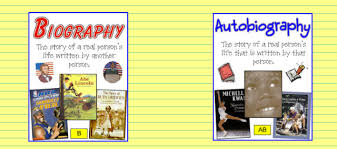
A biography is a detailed account of a person’s life written by someone else. The author researches the subject thoroughly, gathering information from interviews, historical records, letters, and other sources to create an accurate narrative.
Biographies typically cover:
- Early life and background
- Education and career milestones
- Major achievements
- Personal struggles
- Legacy and impact
For example, The Diary of a Young Girl is often discussed in life-writing conversations, though technically it is a diary. Meanwhile, biographies written about figures such as Steve Jobs by Walter Isaacson showcase how a third-party author presents the life of a notable individual through research and interviews.
In the biography vs autobiography comparison, biography emphasizes an external perspective.
What Is an Autobiography?
An autobiography is a self-written account of one’s own life. The author and the subject are the same person. This genre allows individuals to share their personal experiences, emotions, motivations, and reflections directly with readers.
Autobiographies often include:
- Personal memories
- Emotional insights
- First-hand accounts of events
- Self-analysis and growth
A classic example in discussions about biography vs autobiography is The Autobiography of Malcolm X, written with the assistance of Alex Haley. It provides a deeply personal perspective on Malcolm X’s life journey.
Autobiography stands out because it gives readers access to the subject’s own voice.
The Core Difference: Biography vs Autobiography
At the heart of biography vs autobiography lies authorship and perspective.
| Aspect | Biography | Autobiography |
|---|---|---|
| Author | Written by someone else | Written by the subject |
| Perspective | Third-person | First-person |
| Tone | Often analytical and researched | Personal and reflective |
| Emotional Insight | Limited to research | Direct personal experience |
| Bias | Author’s interpretation | Subject’s self-perception |
The key distinction in biography vs autobiography is who tells the story.
Narrative Perspective
One of the most noticeable differences in biography vs autobiography is narrative voice.
Biography
- Written in third person (he/she/they).
- The author interprets events from an outsider’s viewpoint.
- Offers broader context and external analysis.
Autobiography
- Written in first person (I/me/my).
- Provides intimate access to thoughts and emotions.
- Often includes personal reflections on mistakes and lessons learned.
The difference in voice dramatically shapes how readers connect with the story.
Objectivity vs Subjectivity
Another major factor in biography vs autobiography is objectivity.
Biography: More Objective
Because the writer is separate from the subject, biographies tend to:
- Rely heavily on documented evidence
- Include multiple perspectives
- Provide balanced critiques
Autobiography: More Subjective
Autobiographies reflect personal interpretation. Memory can influence accuracy, and authors may present events in ways that protect or enhance their image.
When comparing biography vs autobiography, readers often turn to biographies for a broader perspective and autobiographies for emotional depth.
Research and Documentation
Research plays different roles in biography vs autobiography.
In Biography:
The author gathers information from:
- Letters
- Interviews
- Historical documents
- Public records
- Media coverage
Biographers must verify facts carefully.
In Autobiography:
The primary source is memory. While documents may support details, personal recollection drives the narrative.
This difference significantly impacts reliability in biography vs autobiography discussions.
Emotional Depth and Personal Insight
Autobiographies typically excel in emotional storytelling. The subject can reveal:
- Fears
- Dreams
- Regrets
- Internal conflicts
In contrast, biographies may interpret emotions based on available evidence but cannot fully access the subject’s inner thoughts.
This emotional contrast is central to understanding biography vs autobiography.
Literary Purpose
Why do authors choose biography vs autobiography?
Reasons to Write a Biography
- Preserve historical accuracy
- Document influential lives
- Provide scholarly analysis
- Offer balanced evaluation
Reasons to Write an Autobiography
- Share personal experiences
- Inspire readers
- Correct misconceptions
- Leave a personal legacy
Both genres contribute uniquely to literature.
Popular Examples in Literature
To further clarify biography vs autobiography, consider these well-known works:
Biography Examples
- Biographies of Albert Einstein
- Biographies of Marie Curie
- Biographies of Mahatma Gandhi
Autobiography Examples
- Long Walk to Freedom by Nelson Mandela
- Becoming by Michelle Obama
These examples highlight how biography vs autobiography shapes storytelling.
Credibility and Bias
When evaluating biography vs autobiography, readers should consider credibility.
In Biography:
- May include scholarly references
- Cross-checks information
- Incorporates multiple viewpoints
In Autobiography:
- May emphasize favorable events
- Might omit controversial details
- Offers personal justification for decisions
Neither format is inherently superior; they simply serve different purposes.
Audience Engagement
Readers connect differently in biography vs autobiography.
- Biography appeals to those seeking comprehensive understanding.
- Autobiography appeals to readers wanting emotional connection.
Autobiographies often feel conversational and intimate, while biographies may feel analytical and structured.
Writing Style Differences
Biography Style
- Structured chronologically
- Formal tone
- Balanced narrative
Autobiography Style
- Reflective
- Emotional
- May include flashbacks
Understanding style helps clarify biography vs autobiography distinctions.
Educational Importance
In academic settings, biography vs autobiography teaches students:
- Perspective analysis
- Bias recognition
- Research evaluation
- Narrative voice comparison
Educators often use both genres to help students understand how storytelling changes based on viewpoint.
When to Choose Biography vs Autobiography
If you are writing about a life story, consider:
Choose Biography If:
- The subject cannot write their own story
- You want objectivity
- You aim for historical documentation
Choose Autobiography If:
- You are the subject
- You want personal storytelling
- You wish to share emotional experiences
Your goal determines the appropriate format in biography vs autobiography.
The Rise of Memoirs
Memoirs are closely related to autobiography but focus on specific periods or themes rather than an entire life. While discussing biography vs autobiography, memoirs often enter the conversation as a hybrid form.
For instance, Educated by Tara Westover* focuses on a particular phase of life rather than a complete biography.
Modern Digital Influence
With blogs, podcasts, and social media, personal storytelling has become more accessible. Many influencers now publish autobiographical content online.
Meanwhile, journalists and historians continue producing biographies for public figures.
The digital age has expanded both sides of biography vs autobiography.
Final Thoughts on Biography vs Autobiography
The distinction between biography vs autobiography ultimately comes down to perspective. Biography offers an external, researched, and often more objective account of a person’s life. Autobiography delivers an internal, personal, and emotionally rich narrative from the subject’s own voice.
Both forms play essential roles in preserving human stories. Biographies provide historical context and balanced evaluation, while autobiographies offer raw emotion and direct insight.
Whether you prefer the analytical depth of a biography or the intimate tone of an autobiography, both genres remind us of the power of storytelling. Understanding biography vs autobiography helps readers interpret narratives more critically and appreciate the unique strengths each format brings to literature.
In the end, every life can be told in multiple ways. The difference lies in who holds the pen—and that distinction defines biography vs autobiography.The debate around biography vs autobiography is one of the most common discussions in literature classrooms, writing workshops, and among curious readers. At first glance, both genres appear similar because they tell the story of a person’s life. However, when examined closely, important distinctions emerge in authorship, perspective, tone, credibility, and narrative style.
In this comprehensive guide, we will explore the differences between biography vs autobiography, analyze their unique characteristics, provide examples, discuss their literary value, and help you understand when to choose one over the other.
What Is a Biography?
A biography is a detailed account of a person’s life written by someone else. The author researches the subject thoroughly, gathering information from interviews, historical records, letters, and other sources to create an accurate narrative.
Biographies typically cover:
- Early life and background
- Education and career milestones
- Major achievements
- Personal struggles
- Legacy and impact
For example, The Diary of a Young Girl is often discussed in life-writing conversations, though technically it is a diary. Meanwhile, biographies written about figures such as Steve Jobs by Walter Isaacson showcase how a third-party author presents the life of a notable individual through research and interviews.
In the biography vs autobiography comparison, biography emphasizes an external perspective.
What Is an Autobiography?
An autobiography is a self-written account of one’s own life. The author and the subject are the same person. This genre allows individuals to share their personal experiences, emotions, motivations, and reflections directly with readers.
Autobiographies often include:
- Personal memories
- Emotional insights
- First-hand accounts of events
- Self-analysis and growth
A classic example in discussions about biography vs autobiography is The Autobiography of Malcolm X, written with the assistance of Alex Haley. It provides a deeply personal perspective on Malcolm X’s life journey.
Autobiography stands out because it gives readers access to the subject’s own voice.
The Core Difference: Biography vs Autobiography
At the heart of biography vs autobiography lies authorship and perspective.
| Aspect | Biography | Autobiography |
|---|---|---|
| Author | Written by someone else | Written by the subject |
| Perspective | Third-person | First-person |
| Tone | Often analytical and researched | Personal and reflective |
| Emotional Insight | Limited to research | Direct personal experience |
| Bias | Author’s interpretation | Subject’s self-perception |
The key distinction in biography vs autobiography is who tells the story.
Narrative Perspective
One of the most noticeable differences in biography vs autobiography is narrative voice.
Biography
- Written in third person (he/she/they).
- The author interprets events from an outsider’s viewpoint.
- Offers broader context and external analysis.
Autobiography
- Written in first person (I/me/my).
- Provides intimate access to thoughts and emotions.
- Often includes personal reflections on mistakes and lessons learned.
The difference in voice dramatically shapes how readers connect with the story.
Objectivity vs Subjectivity
Another major factor in biography vs autobiography is objectivity.
Biography: More Objective
Because the writer is separate from the subject, biographies tend to:
- Rely heavily on documented evidence
- Include multiple perspectives
- Provide balanced critiques
Autobiography: More Subjective
Autobiographies reflect personal interpretation. Memory can influence accuracy, and authors may present events in ways that protect or enhance their image.
When comparing biography vs autobiography, readers often turn to biographies for a broader perspective and autobiographies for emotional depth.
Research and Documentation
Research plays different roles in biography vs autobiography.
In Biography:
The author gathers information from:
- Letters
- Interviews
- Historical documents
- Public records
- Media coverage
Biographers must verify facts carefully.
In Autobiography:
The primary source is memory. While documents may support details, personal recollection drives the narrative.
This difference significantly impacts reliability in biography vs autobiography discussions.
Emotional Depth and Personal Insight
Autobiographies typically excel in emotional storytelling. The subject can reveal:
- Fears
- Dreams
- Regrets
- Internal conflicts
In contrast, biographies may interpret emotions based on available evidence but cannot fully access the subject’s inner thoughts.
This emotional contrast is central to understanding biography vs autobiography.
Literary Purpose
Why do authors choose biography vs autobiography?
Reasons to Write a Biography
- Preserve historical accuracy
- Document influential lives
- Provide scholarly analysis
- Offer balanced evaluation
Reasons to Write an Autobiography
- Share personal experiences
- Inspire readers
- Correct misconceptions
- Leave a personal legacy
Both genres contribute uniquely to literature.
Popular Examples in Literature
To further clarify biography vs autobiography, consider these well-known works:
Biography Examples
- Biographies of Albert Einstein
- Biographies of Marie Curie
- Biographies of Mahatma Gandhi
Autobiography Examples
- Long Walk to Freedom by Nelson Mandela
- Becoming by Michelle Obama
These examples highlight how biography vs autobiography shapes storytelling.
Credibility and Bias
When evaluating biography vs autobiography, readers should consider credibility.
In Biography:
- May include scholarly references
- Cross-checks information
- Incorporates multiple viewpoints
In Autobiography:
- May emphasize favorable events
- Might omit controversial details
- Offers personal justification for decisions
Neither format is inherently superior; they simply serve different purposes.
Audience Engagement
Readers connect differently in biography vs autobiography.
- Biography appeals to those seeking comprehensive understanding.
- Autobiography appeals to readers wanting emotional connection.
Autobiographies often feel conversational and intimate, while biographies may feel analytical and structured.
Writing Style Differences
Biography Style
- Structured chronologically
- Formal tone
- Balanced narrative
Autobiography Style
- Reflective
- Emotional
- May include flashbacks
Understanding style helps clarify biography vs autobiography distinctions.
Educational Importance
In academic settings, biography vs autobiography teaches students:
- Perspective analysis
- Bias recognition
- Research evaluation
- Narrative voice comparison
Educators often use both genres to help students understand how storytelling changes based on viewpoint.
When to Choose Biography vs Autobiography
If you are writing about a life story, consider:
Choose Biography If:
- The subject cannot write their own story
- You want objectivity
- You aim for historical documentation
Choose Autobiography If:
- You are the subject
- You want personal storytelling
- You wish to share emotional experiences
Your goal determines the appropriate format in biography vs autobiography.
The Rise of Memoirs
Memoirs are closely related to autobiography but focus on specific periods or themes rather than an entire life. While discussing biography vs autobiography, memoirs often enter the conversation as a hybrid form.
For instance, Educated by Tara Westover* focuses on a particular phase of life rather than a complete biography.
Modern Digital Influence
With blogs, podcasts, and social media, personal storytelling has become more accessible. Many influencers now publish autobiographical content online.
Meanwhile, journalists and historians continue producing biographies for public figures.
The digital age has expanded both sides of biography vs autobiography.
Final Thoughts on Biography vs Autobiography
The distinction between biography vs autobiography ultimately comes down to perspective. Biography offers an external, researched, and often more objective account of a person’s life. Autobiography delivers an internal, personal, and emotionally rich narrative from the subject’s own voice.
Both forms play essential roles in preserving human stories. Biographies provide historical context and balanced evaluation, while autobiographies offer raw emotion and direct insight.
Whether you prefer the analytical depth of a biography or the intimate tone of an autobiography, both genres remind us of the power of storytelling. Understanding biography vs autobiography helps readers interpret narratives more critically and appreciate the unique strengths each format brings to literature.
In the end, every life can be told in multiple ways. The difference lies in who holds the pen—and that distinction defines biography vs autobiography.
READMORE : bossmagazines
