



A green river levee flash flood warning is a serious alert that demands immediate attention from residents, businesses, and travelers near flood-prone areas. When authorities issue this type of warning, it signals that rapid flooding is either occurring or expected to occur near the Green River levee system. Understanding what a green river levee flash flood warning means, how levees function, and what safety steps to take can make a critical difference during severe weather events.
Flooding is one of the most dangerous natural hazards in the United States. Rivers like the Green River and the Green River have long histories of seasonal flooding. When heavy rainfall, snowmelt, or storm systems overwhelm riverbanks, levee systems become the first line of defense. However, even well-constructed levees can be overtopped or weakened during extreme conditions, leading to the issuance of a green river levee flash flood warning.
This in-depth guide explains how these warnings work, what causes them, how levees operate, and what residents should do when such an alert is issued.
Understanding a Green River Levee Flash Flood Warning
A green river levee flash flood warning is typically issued by meteorological authorities such as the National Weather Service when flash flooding is imminent or already occurring near levee-protected zones along the Green River.
Unlike standard flood watches, a flash flood warning indicates that action is required immediately. Floodwaters can rise within minutes or hours, especially when intense rainfall falls over a short period.
Key Characteristics of Flash Flood Warnings
- Rapid water rise
- Limited evacuation time
- High risk to life and property
- Possible levee stress or failure
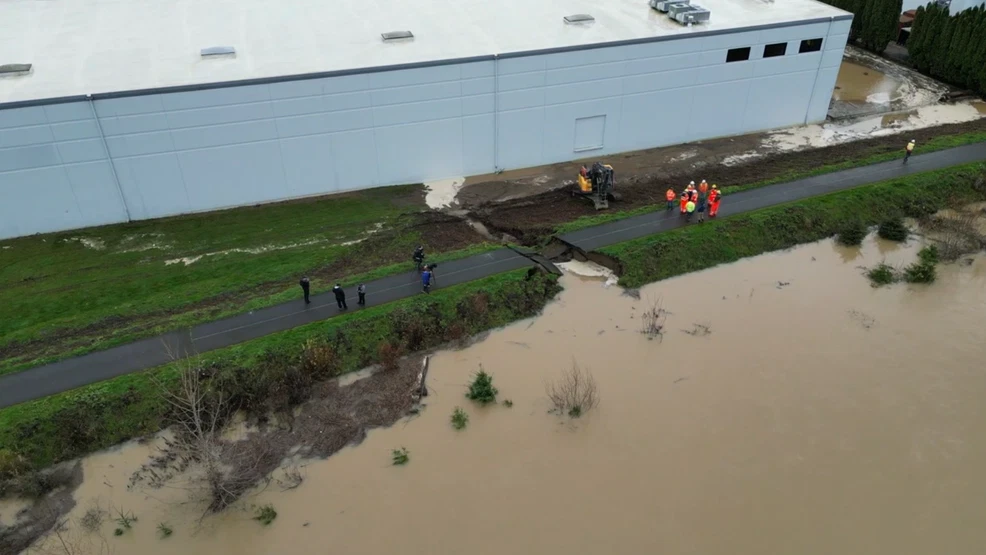
In a green river levee flash flood warning situation, authorities are particularly concerned about whether the levee can withstand rising water pressure.
How Levees Protect Communities
Levees are embankments constructed to prevent rivers from overflowing into nearby communities. They can be made of earth, concrete, or a combination of materials. Along the Green River, levee systems are designed to contain seasonal surges and protect homes, infrastructure, and farmland.
How Levees Work
- They increase the height of riverbanks.
- They channel water within a designated pathway.
- They reduce immediate overflow into urban areas.
However, during extreme storms, water levels may exceed design limits. When this risk becomes significant, officials may issue a green river levee flash flood warning.
Common Causes of a Green River Levee Flash Flood Warning
Several environmental factors can lead to such a warning:
1. Heavy Rainfall
Sudden downpours over a short period can overwhelm drainage systems and push river levels higher than anticipated.
2. Snowmelt
In regions where the Green River flows through mountainous terrain, rapid warming can cause accelerated snowmelt, dramatically increasing water volume.
3. Upstream Dam Releases
Reservoir management decisions can impact downstream water flow. Controlled releases sometimes raise water levels near levees.
4. Soil Saturation
If the ground is already saturated from previous storms, additional rainfall quickly becomes runoff, contributing to river surges.
Each of these factors may contribute to conditions requiring a green river levee flash flood warning.
The Role of Weather Monitoring Agencies
The National Weather Service monitors river gauges, rainfall totals, and radar imagery. When thresholds are exceeded, alerts are issued through:
- Emergency broadcast systems
- Mobile weather alerts
- Local government notifications
- Television and radio
A green river levee flash flood warning is based on data from river gauges positioned along the waterway, which provide real-time water level measurements.
What Happens When a Levee Is at Risk?
When water levels approach critical heights, officials assess:
- Structural integrity
- Signs of seepage
- Erosion patterns
- Overtopping risk
If a levee shows signs of weakening, emergency measures such as sandbagging may begin. In severe cases, evacuation orders accompany a green river levee flash flood warning.
Warning vs. Watch: Understanding the Difference
It’s important to distinguish between different alert types:
- Flood Watch: Conditions are favorable for flooding.
- Flood Warning: Flooding is expected or occurring.
- Flash Flood Warning: Rapid flooding is imminent or happening now.
A green river levee flash flood warning represents the most urgent scenario.
Impacts on Local Communities
When such warnings are issued, communities near the Green River may face:
- Road closures
- Power outages
- Water contamination
- Evacuations
- Property damage
Homes near levees are especially vulnerable if water breaches protective barriers.
Emergency Preparedness During a Green River Levee Flash Flood Warning
Preparation is critical in flood-prone areas.
Create an Emergency Kit
Include:
- Bottled water
- Non-perishable food
- Flashlights
- Batteries
- Important documents in waterproof containers
- First-aid supplies
Develop an Evacuation Plan
Know:
- Evacuation routes
- Shelter locations
- Emergency contact numbers
Monitor Official Updates
Keep checking for updates to the green river levee flash flood warning to stay informed about changing conditions.
Historical Flooding Along the Green River
Throughout history, the Green River has experienced significant flooding events. These floods often occurred after prolonged rainfall or seasonal snowmelt.
Past flood events demonstrate that even reinforced levee systems can face extreme stress. This history underscores the importance of responding quickly to any green river levee flash flood warning.
The Science Behind Flash Flooding
Flash flooding occurs when rainfall intensity exceeds the ground’s absorption capacity. Urban development increases runoff because pavement and buildings prevent natural absorption.
When rivers rise rapidly:
- Water velocity increases
- Debris flow intensifies
- Pressure on levees grows
This chain reaction can quickly escalate from manageable conditions to a green river levee flash flood warning scenario.
Climate Patterns and Increased Flood Risk
Changing weather patterns have led to more intense rainfall events in many regions. While floods have always occurred naturally, recent trends show:
- Shorter, heavier rainstorms
- Increased seasonal variability
- Higher peak river flows
These patterns contribute to more frequent flood alerts, including green river levee flash flood warning notifications.
Insurance and Financial Protection
Residents in flood-prone areas should consider flood insurance policies separate from standard homeowners insurance. A green river levee flash flood warning may signal imminent danger, but financial preparedness ensures long-term recovery.
Important steps include:
- Reviewing policy coverage limits
- Documenting property condition
- Understanding claim procedures
Community Response and Coordination
Local governments often coordinate emergency responses with:
- Law enforcement
- Fire departments
- Public works
- Volunteer organizations
During a green river levee flash flood warning, coordinated communication ensures residents receive clear instructions.
What Not to Do During a Flash Flood Warning
Safety mistakes can be deadly. Avoid:
- Driving through flooded roads
- Ignoring evacuation orders
- Walking near swift-moving water
- Attempting to inspect levee damage
Even shallow water can sweep vehicles away.
Long-Term Flood Mitigation Strategies
To reduce future risk, communities invest in:
- Levee reinforcement projects
- Improved drainage systems
- Floodplain management planning
- Early-warning technology upgrades
These measures aim to minimize the frequency and severity of green river levee flash flood warning situations.
The Importance of Community Awareness
Public awareness campaigns help residents understand flood risks. Educational programs emphasize:
- Recognizing warning signals
- Responding quickly
- Staying informed
Knowledge empowers communities to react effectively when a green river levee flash flood warning is issued.
Final Thoughts
A green river levee flash flood warning is not just another weather alert—it is a serious call to action. With rapid water rise and potential levee stress, such warnings require immediate attention and preparation.
Understanding how levees function, why flash floods occur, and how emergency agencies respond can help protect lives and property. From monitoring updates issued by the National Weather Service to preparing emergency kits and evacuation plans, proactive steps are essential.
Flooding is unpredictable, but preparedness and awareness significantly reduce risk. When faced with a green river levee flash flood warning, swift action and informed decision-making can make all the difference.
Communities along the Green River must remain vigilant, especially during heavy rainfall seasons. By staying informed and prepared, residents can navigate these challenging situations with greater confidence and safety.
READMORE : bossmagazines.co.uk
