



In the ever-evolving world of aviation, airlines are constantly searching for innovative ways to reduce costs, increase passenger capacity, and maximize efficiency. One concept that continues to spark debate and curiosity is standing airplane seats. While the idea may sound unconventional, it has been discussed for years as a potential solution for ultra-low-cost travel and short-haul routes.
As airlines compete to offer cheaper fares while maintaining profitability, standing-airplane seats have become a hot topic among industry experts, frequent flyers, and regulators. But what exactly are standing-airplane seats? Are they safe? Will passengers actually accept them? And could they truly change the future of commercial aviation?
This comprehensive guide explores everything you need to know about standing-airplane seats, including how they work, their potential benefits and drawbacks, safety considerations, passenger comfort, and whether they are likely to become mainstream in the coming years.
What Are Standing Airplane Seats?
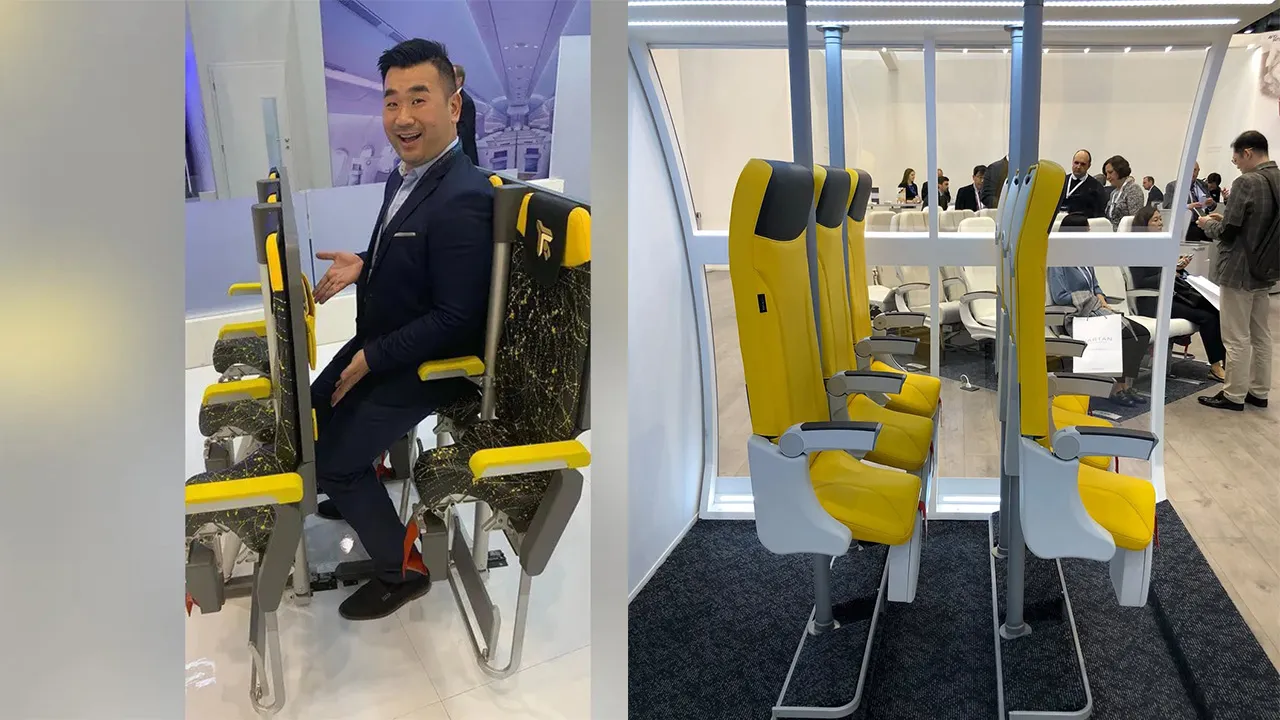
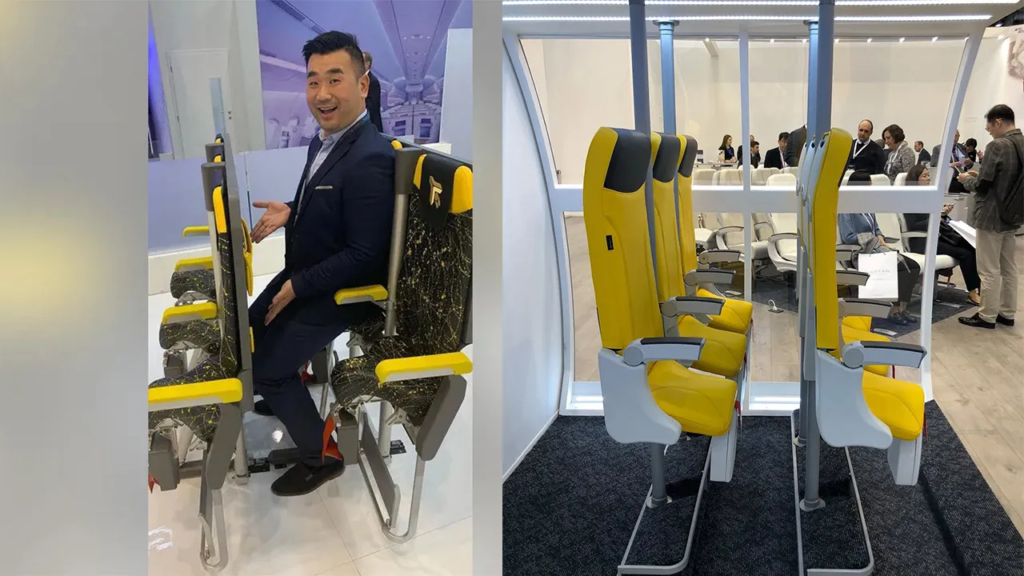
Standing airplane seats are not traditional seats where passengers sit fully upright with back support and legroom. Instead, they are often described as “perching seats.” These designs allow passengers to lean at an angle while being secured with a harness or seatbelt, reducing the amount of space each traveler occupies.
The most well-known concept associated with standing airplane seats is the Skyrider seat design, introduced by Italian manufacturer Aviointeriors. Rather than sitting in a conventional position, passengers would lean against a padded support, with minimal legroom and tighter spacing between rows.
The primary goal of standing airplane seats is to increase passenger capacity on short-haul flights. By reducing seat pitch and eliminating traditional seating arrangements, airlines could theoretically fit up to 20% more passengers on certain aircraft.
Why Are Airlines Considering Standing Airplane Seats?
Airlines operate in a highly competitive industry where profit margins can be thin. Rising fuel costs, maintenance expenses, airport fees, and staffing all contribute to financial pressure. To stay competitive, especially in the low-cost carrier segment, airlines are constantly looking for ways to cut costs without compromising safety regulations.
Here are some of the main reasons why standing airplane seats are being considered:
1. Increased Passenger Capacity
Standing airplane seats could allow airlines to add more rows inside an aircraft cabin. With more passengers per flight, airlines could potentially lower ticket prices while maintaining revenue.
2. Lower Ticket Prices
Ultra-budget airlines thrive on offering the cheapest possible fares. Standing airplane seats could support rock-bottom ticket prices for short routes, making air travel even more accessible to budget-conscious travelers.
3. Short-Haul Route Efficiency
The concept is primarily aimed at flights lasting under two hours. For short trips, some argue that passengers might tolerate reduced comfort in exchange for lower fares.
4. Reduced Aircraft Weight
Standing airplane seats may weigh less than traditional seats. Lighter aircraft consume less fuel, potentially reducing operational costs and environmental impact.
How Standing Airplane Seats Would Work
Unlike traditional airline seats with full backrests and cushioning, standing airplane seats function more like a padded saddle or bicycle seat. Passengers would lean at a slight angle, supported by a firm back panel and secured by a harness or safety belt system.
Cabin layouts would likely resemble tightly packed rows with minimal legroom. While not truly standing upright, passengers would remain in a semi-standing, semi-seated posture throughout the flight.
The concept is somewhat similar to standing arrangements seen in public transportation systems like subways or buses—but adapted for aviation safety standards.
Safety Considerations and Regulatory Approval
One of the biggest challenges facing standing airplane seats is regulatory approval. Aviation authorities such as the Federal Aviation Administration (FAA) and the European Union Aviation Safety Agency (EASA) have strict safety requirements regarding seating, crash protection, and evacuation procedures.
For standing airplane seats to become reality, manufacturers must demonstrate that the design meets:
- Crash impact standards
- Emergency evacuation time requirements
- Structural integrity rules
- Passenger restraint guidelines
Safety is non-negotiable in aviation. Any new seating concept must undergo rigorous testing before being approved for commercial use.
As of now, standing airplane seats have not received widespread certification for commercial passenger service.
Passenger Comfort: A Major Concern
Comfort is arguably the biggest criticism of standing airplane seats. Air travel is already associated with limited legroom and cramped cabins, particularly on low-cost carriers.
Critics argue that:
- Extended leaning could cause discomfort or fatigue
- Limited cushioning may lead to back pain
- Taller passengers could struggle with spacing
- The experience may feel crowded or claustrophobic
However, supporters of the concept suggest that passengers choosing ultra-low fares may prioritize cost savings over comfort—especially for short flights under 90 minutes.
The question remains whether enough travelers would accept the trade-off.
Public Reaction to Standing Airplane Seats
Whenever news of standing airplane seats resurfaces, it generates strong reactions on social media and travel forums. Many passengers express skepticism or outright opposition, viewing the concept as another example of airlines prioritizing profits over passenger experience.
Common public concerns include:
- Reduced personal space
- Dignity and comfort issues
- Safety doubts
- Accessibility challenges
However, there is also a segment of travelers—particularly young backpackers and ultra-budget flyers—who may consider the option if ticket prices are significantly lower.
Public perception will play a crucial role in determining whether standing airplane seats ever gain widespread acceptance.
Economic Impact on Airlines
From a business standpoint, standing airplane seats could reshape the economics of short-haul aviation.
Revenue Potential
If airlines can increase capacity by 15–20%, revenue per flight could rise substantially. More passengers per route may also allow airlines to offer competitive pricing while maintaining profitability.
Cost Efficiency
Reduced seat weight and increased density could lower fuel consumption per passenger. Additionally, simplified seat structures might reduce manufacturing and maintenance costs.
Competitive Advantage
Airlines adopting standing airplane seats could differentiate themselves in the ultra-low-cost market, potentially attracting price-sensitive customers.
However, negative publicity or poor passenger satisfaction could offset these benefits.
Environmental Considerations
The aviation industry faces mounting pressure to reduce carbon emissions. By fitting more passengers onto a single flight, standing airplane seats could lower emissions per traveler.
Higher density seating means:
- Fewer flights needed for the same number of passengers
- Reduced fuel consumption per passenger mile
- Potential environmental benefits
That said, environmental improvements would depend on careful implementation and passenger demand
Accessibility and Inclusivity Challenges
One significant concern is accessibility. Standing airplane seats may not accommodate:
- Elderly passengers
- Travelers with disabilities
- Pregnant individuals
- Those with medical conditions
Airlines would likely need to maintain traditional seating options alongside standing airplane seats to comply with accessibility regulations and provide equitable travel experiences.
Will Standing Airplane Seats Become Reality?
Despite years of discussion, standing airplane seats have not yet been widely implemented. While prototypes exist and manufacturers continue refining designs, regulatory hurdles and public skepticism remain major obstacles.
Factors that will influence adoption include:
- Certification approval from aviation authorities
- Airline willingness to test the concept
- Passenger acceptance and demand
- Media coverage and public relations impact
It is possible that standing airplane seats could first appear on ultra-short domestic routes operated by low-cost carriers. However, whether they will become mainstream remains uncertain.
Comparing Standing Airplane Seats to Traditional Economy Class
To better understand the potential shift, consider the differences:
| Feature | Traditional Economy | Standing Airplane Seats |
|---|---|---|
| Seat Pitch | 28–32 inches | Significantly reduced |
| Cushioning | Full seat padding | Minimal padding |
| Passenger Posture | Fully seated | Leaning/perching |
| Capacity | Standard | Increased (15–20%) |
| Comfort Level | Moderate | Limited |
| Price Potential | Standard low-cost | Ultra-budget |
The comparison highlights the trade-offs between cost savings and passenger comfort.
Consumer Behavior and Price Sensitivity
Research consistently shows that many travelers prioritize price over comfort, especially for short flights. If standing airplane seats reduce ticket prices significantly—by 20% or more—some consumers may be willing to accept reduced amenities.
Budget airlines already charge for:
- Carry-on bags
- Seat selection
- Food and drinks
- Priority boarding
Standing airplane seats could simply represent the next evolution in unbundled travel services.
Ethical Debate Around Standing Airplane Seats
The debate over standing airplane seats also raises ethical questions. Critics argue that airlines should focus on improving passenger experience rather than minimizing it further.
Supporters counter that giving consumers more options empowers them to choose what works best for their budget.
Ultimately, the ethical perspective depends on how the concept is implemented and whether passengers have informed choice.
The Future of Ultra-Low-Cost Travel
The aviation industry has transformed dramatically over the past few decades. What once was considered a luxury has become accessible to millions thanks to budget carriers.
Standing airplane seats represent an extension of that transformation. If approved and adopted, they could further democratize air travel by offering the lowest fares yet.
However, airlines must carefully balance affordability, safety, and passenger dignity.
Final Thoughts on Standing Airplane Seats
Standing airplane seats remain one of the most controversial ideas in modern aviation. While the concept promises lower ticket prices and increased efficiency, it also raises significant concerns about comfort, safety perception, and passenger satisfaction.
Whether standing airplane seats become a standard feature of short-haul flights will depend on regulatory approval, airline adoption, and traveler acceptance. For now, they remain an intriguing possibility rather than a widespread reality.
One thing is certain: as airlines continue to innovate in pursuit of lower costs and higher efficiency, the conversation around standing airplane seats is unlikely to disappear anytime soon.
For travelers, the future may offer even more choices—ranging from full-service comfort to ultra-budget perching options. The ultimate decision will lie with consumers and how much they are willing to trade comfort for savings.
As aviation evolves, standing airplane seats may either become a groundbreaking innovation or remain a fascinating footnote in airline history. Only time will tell.
READMORE : bossmagazines.co.uk
